On this page
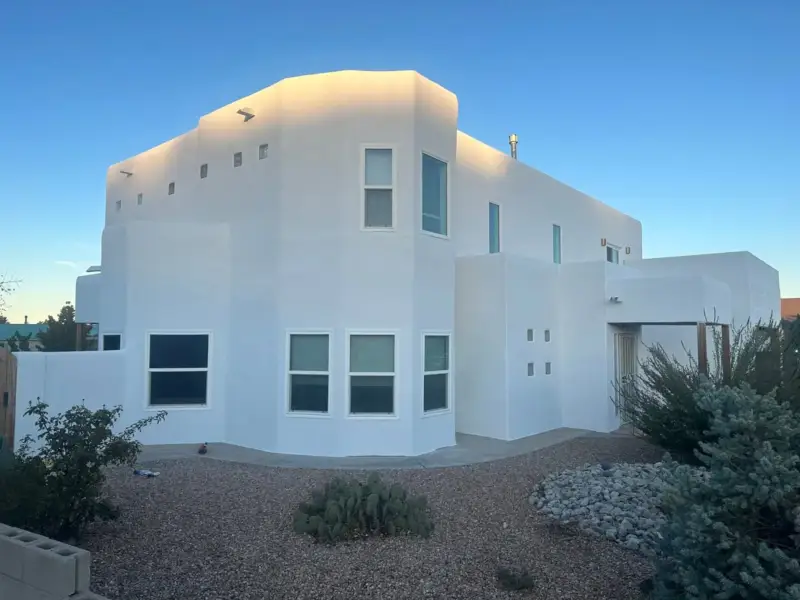
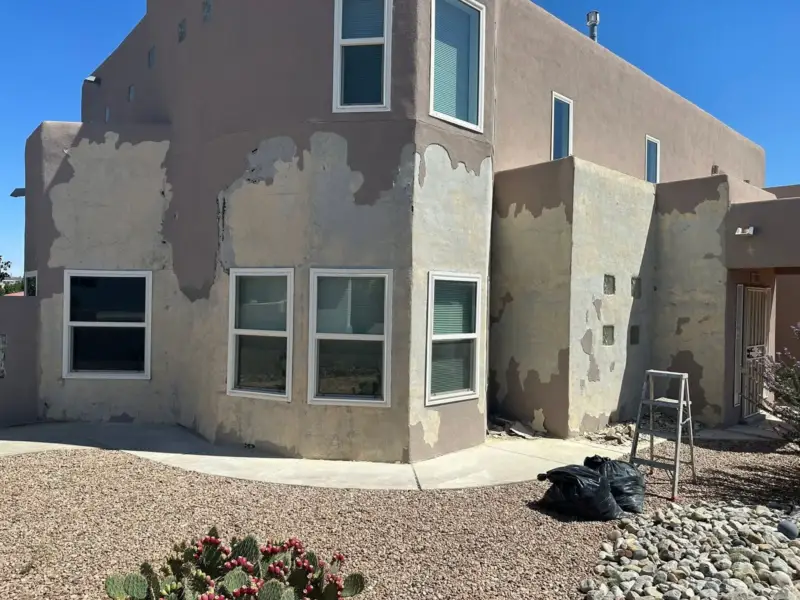
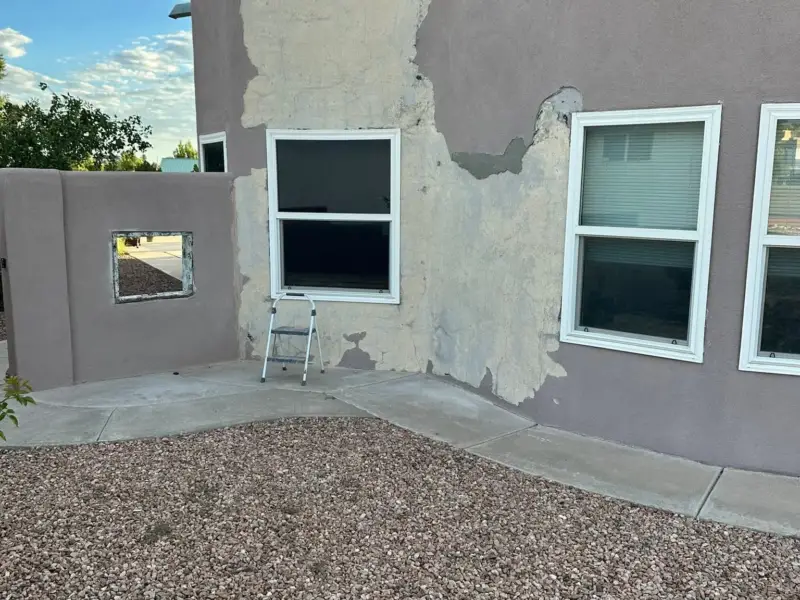
Some houses have been patched so many times the walls look like a quilt. Others have faded from tan to chalky beige, or have stucco that sounds hollow and falls off in chunks. When patching stops making sense, re-stucco and resurfacing give the whole house one clean, even finish again.
Re-stucco your Albuquerque home
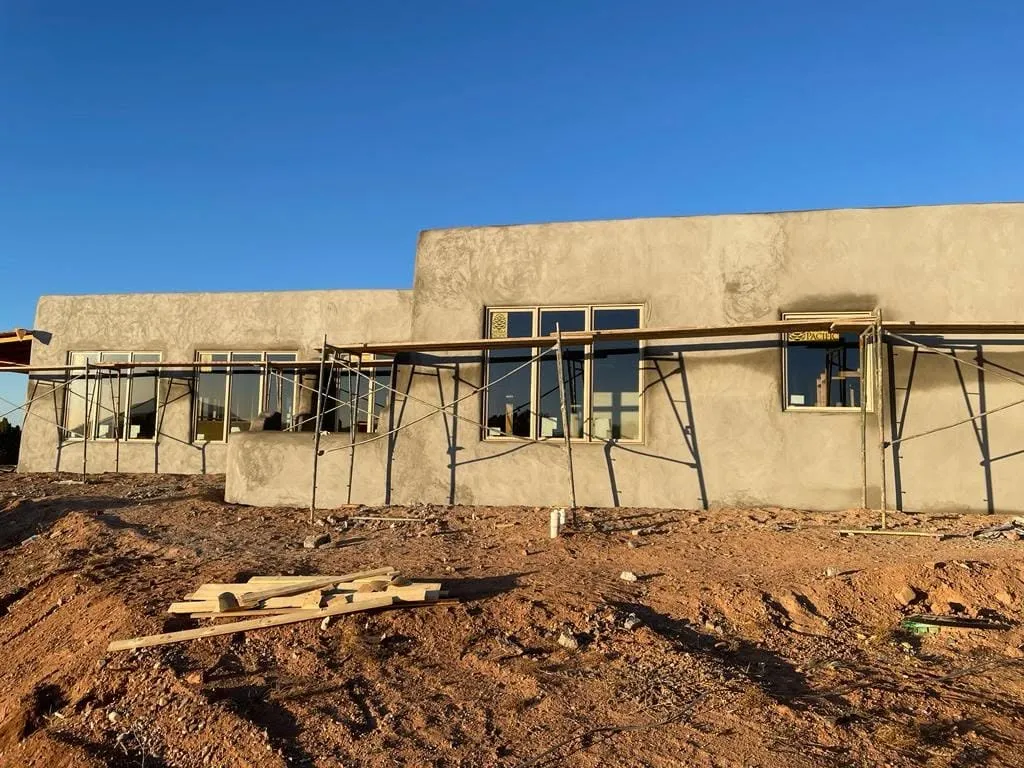
There are two very different jobs hiding under the word re-stucco. The lighter one is resurfacing: a new color coat over stucco that is still solid underneath. The heavier one is stucco replacement: removing failed stucco and rebuilding the wall with new lath and new coats. Both leave a uniform finish, but they cost very different amounts, so knowing which one you need matters.
When should you re-stucco instead of patching?
Patching is the right call when damage is limited to a few spots. Re-stucco starts to make sense when:
- Patches cover a large part of a wall and never quite match
- The color has faded unevenly or the surface chalks when you rub it
- The stucco sounds hollow over large areas when tapped
- Pieces are loose, bulging or falling off
- You want a new color or texture for the whole house
- Water damage repairs have opened up large sections anyway
Color coat resurfacing vs full stucco replacement
A color coat is the final layer of a stucco system. It has the color mixed right into the material, so it does not peel like paint. When the stucco underneath is sound, a new color coat can cover old patches, fix fading and change the look of the house in one step. It is the most common resurfacing job we do.
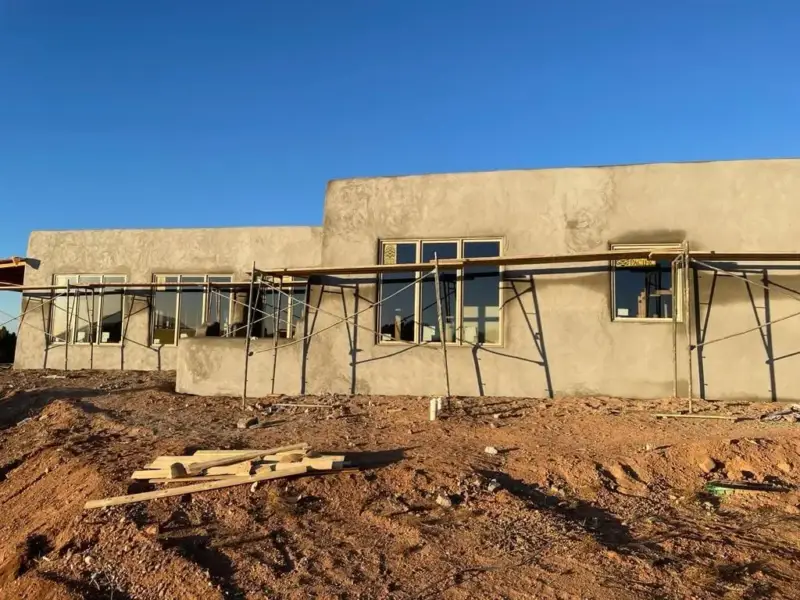
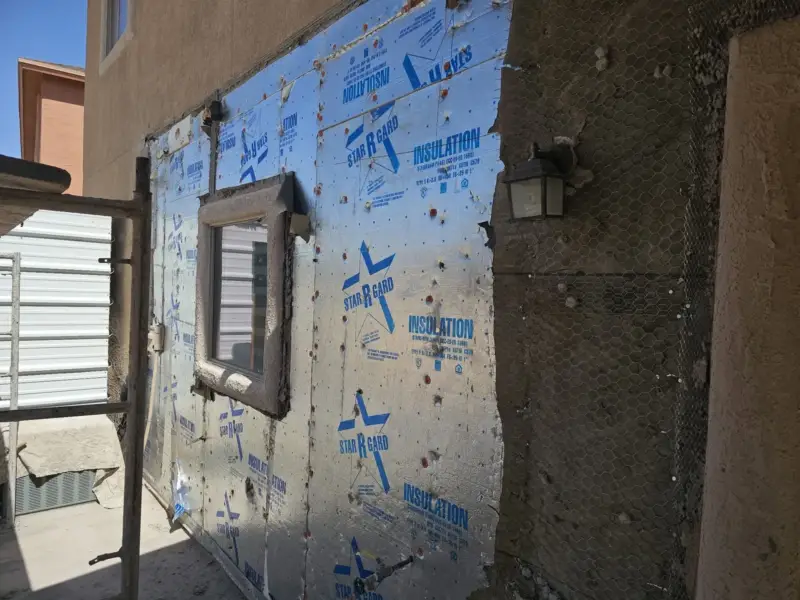
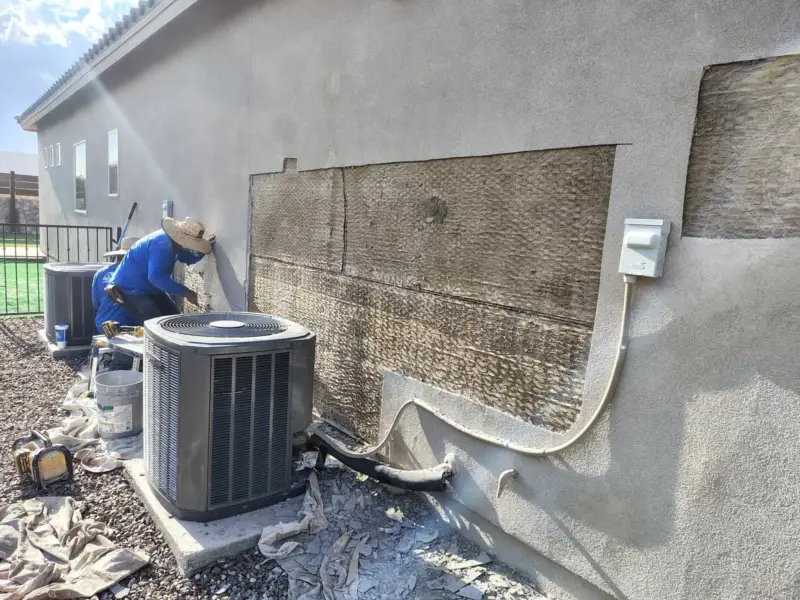
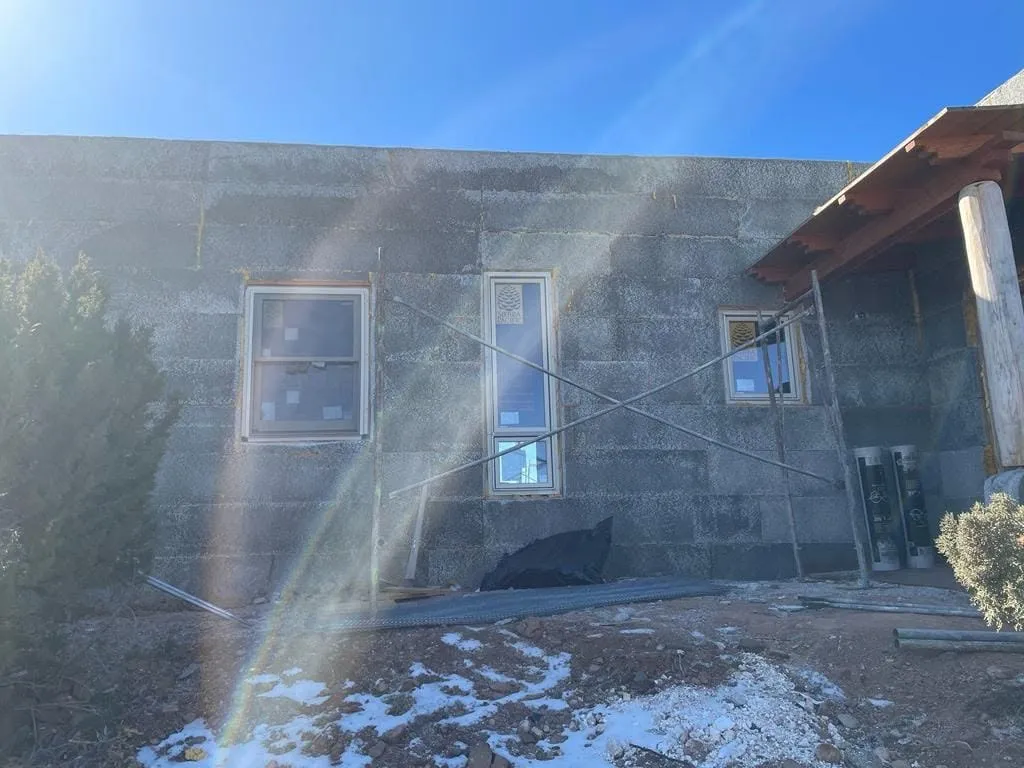
Full stucco replacement is for walls where the old stucco has separated from the lath, the lath has rusted, or water damage reached the sheathing. We remove the failed stucco, fix what is underneath, add a new weather barrier and lath, and rebuild the coats. It is a bigger job, but it resets the clock on the wall.
How the 3-coat stucco system works
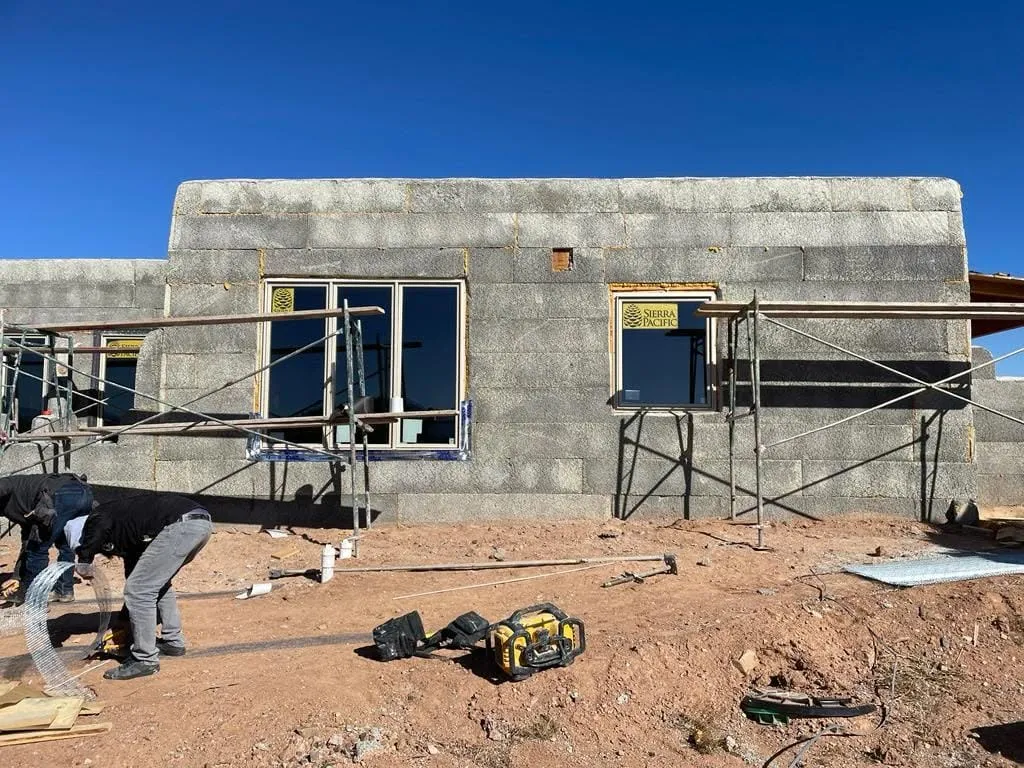
Traditional stucco is built in three layers, and each has a job:
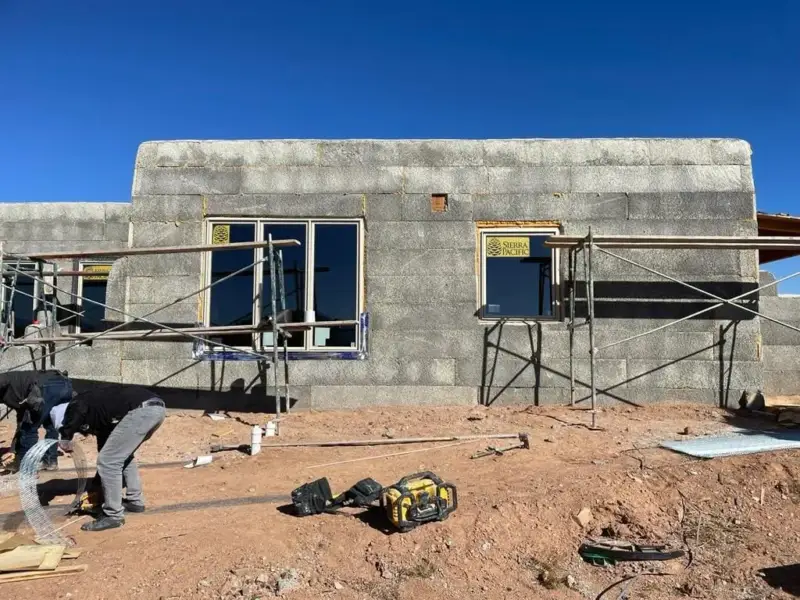
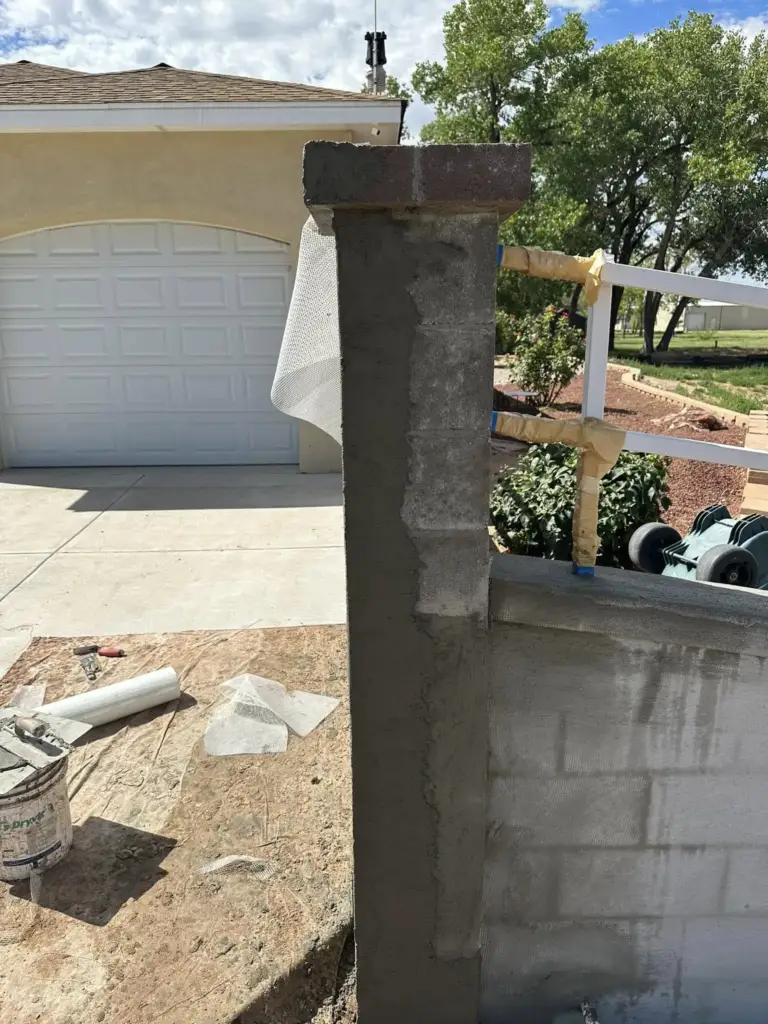
- The scratch coat is pressed into the lath and scored with lines so the next coat can grip it.
- The brown coat builds the wall out flat and straight. It is where most of the strength comes from.
- The finish or color coat is the thin top layer that gives the wall its color and texture.
Some homes use a one-coat system instead, which combines the first two layers over foam board. Either way, each coat needs time to cure before the next goes on. Rushing that step is one of the most common reasons new stucco cracks early.
How long does a re-stucco job take?
A color coat on a typical Albuquerque house often takes a few days, including prep, masking and cleanup. A full stucco replacement takes longer, often a couple of weeks or more, because each coat has to cure before the next. Cold snaps and spring wind can add days, since stucco should not go on in freezing weather or high wind. We give you a realistic schedule up front.
What does it cost to re-stucco a house?
The price depends on the size of the house, how many stories it has, how much stucco has to come off, and whether you want a color change. A color coat over sound stucco costs far less than full replacement. We break the numbers down in our stucco repair cost guide, and your written estimate lists every step and its price.
Signs the stucco underneath is failing
Before a color coat goes on, we check that the stucco under it can hold it. Tap the wall every few feet. A solid wall sounds dull and firm. A hollow, drum-like sound means the stucco has separated from the lath behind it. Look for bulges, long horizontal cracks, rust stains and areas that crumble when you press them. Any of those in large patches means the stucco itself has failed, and a new coat over it would only hide the problem for a short time.
How we protect your home during a re-stucco
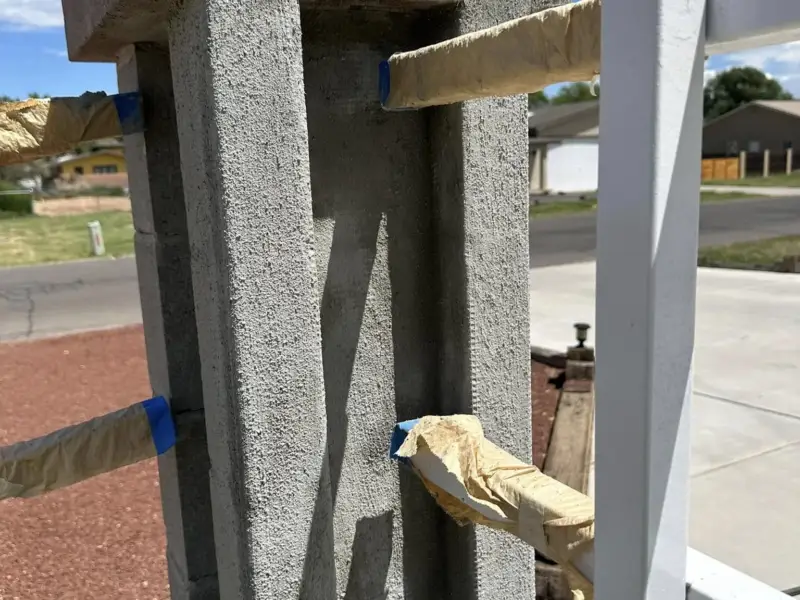
Stucco work is messy, so protection comes first. We cover windows, doors, light fixtures and outdoor equipment, lay tarps over plants, gravel and walkways, and keep the work area as tidy as we can each day. Removal jobs create debris, and we haul it away. At the end, we wash down windows and walkways and walk the finished walls with you.
Choosing a color and texture
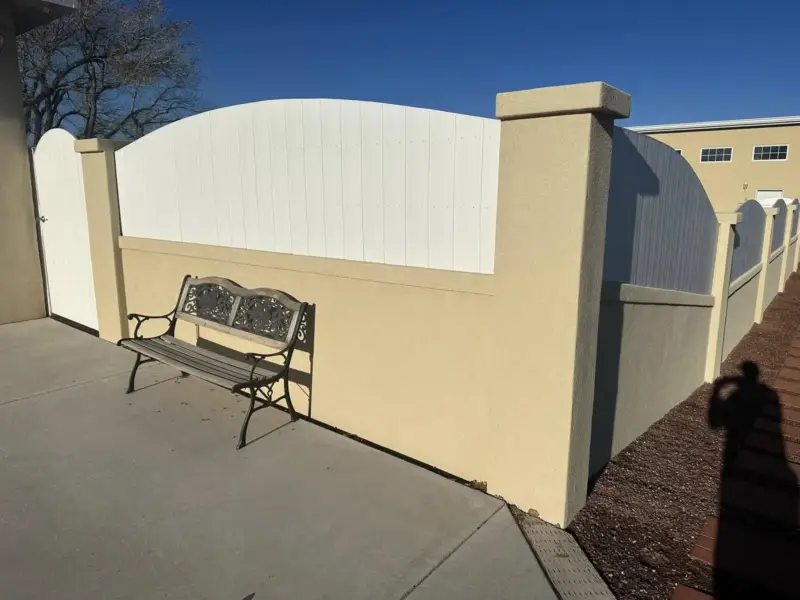
A new color coat is a chance to change the look of your home. Earth tones like adobe, sand and warm browns are popular here because they fit the landscape and hide dust well. If you live in a neighborhood with an HOA, check their approved color list before you pick. For texture, smooth Santa Fe finishes, sand finishes and light dash finishes are all common. We can make a sample patch so you can see the color on your wall in real light before we commit.
Look at color samples in the late afternoon too. New Mexico sun makes colors look lighter at noon and much warmer near sunset.
Local tip
Re-stucco and resurfacing work covers Albuquerque and nearby towns, including Rio Rancho, Corrales, Los Lunas and Belen. If only a few areas are damaged, stucco crack repair may be all you need.