Skip to content
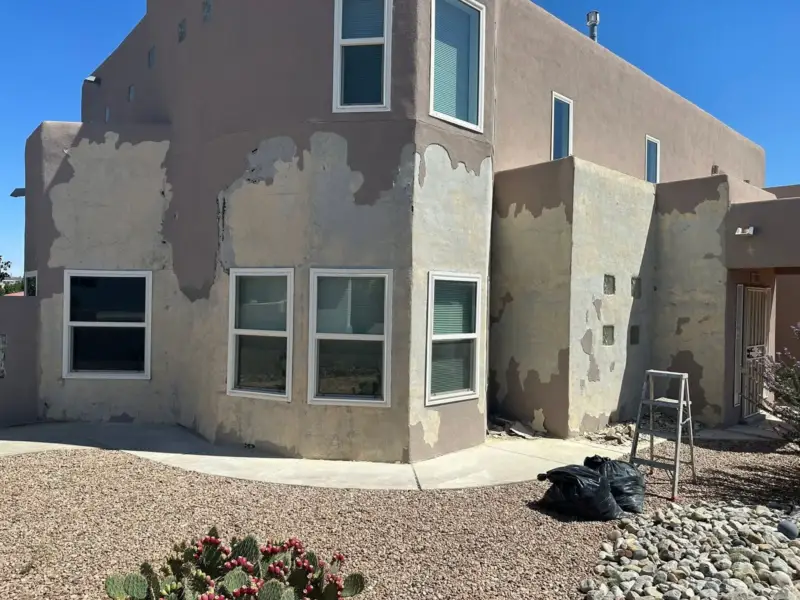
Two-story stucco wall with several gray patches waiting for the finish color coat

Stucco Crack Repair in Albuquerque, NM

Stucco Crack Repair in Albuquerque, NM

Hairline cracks, spider cracks, holes and crumbling spots patched and blended in with matched color and texture.

  • Free Written Estimates
  • Color and Texture Matching
  • Replies Within 1 Business Day
No obligation

Get a Free Stucco Estimate

Tell us about your project. We reply within 1 business day.

Free Written Estimates · Color and Texture Matching · Replies Within 1 Business Day · No spam

Or call us directly: (505) 386-3634

Stucco crack repair means finding why the wall cracked, opening the crack so new material can bond, and patching it with a matched texture and color. Small cracks are cheap to fix now and expensive to ignore once water gets behind them.
Two-story stucco wall with several gray patches waiting for the finish color coat
On this page

You notice a thin line running from the corner of a window. A few months later it is longer, and there is a second one under the other window. Almost every stucco home in Albuquerque gets cracks sooner or later. Stucco crack repair is about fixing them the right way, before a thin line turns into a wet wall.

Stucco crack repair for Albuquerque homes

Stucco is a hard shell made of cement, sand and lime. It is strong, but it does not stretch. When the house moves even a little, the stucco has to crack somewhere. In Albuquerque, the sun heats a west wall well past the air temperature in the afternoon, then the desert night cools it off fast. That daily swing makes the wall grow and shrink over and over, and cracks follow.

The good news is that most cracks are a surface problem. With the right patch and a color coat that blends it in, the repair should be hard to spot from the street.

What causes stucco cracks?

Most cracks come from one of these causes:

  • Normal settling as a house and its foundation adjust over the years
  • Daily heating and cooling from strong high desert sun
  • Water that gets behind the stucco, then freezes and expands on winter nights
  • Weak spots at window and door corners, where stress collects
  • Impact damage from a ladder, a ball, a car door or a hailstorm
  • A thin or poorly cured original coat, common on some fast tract builds
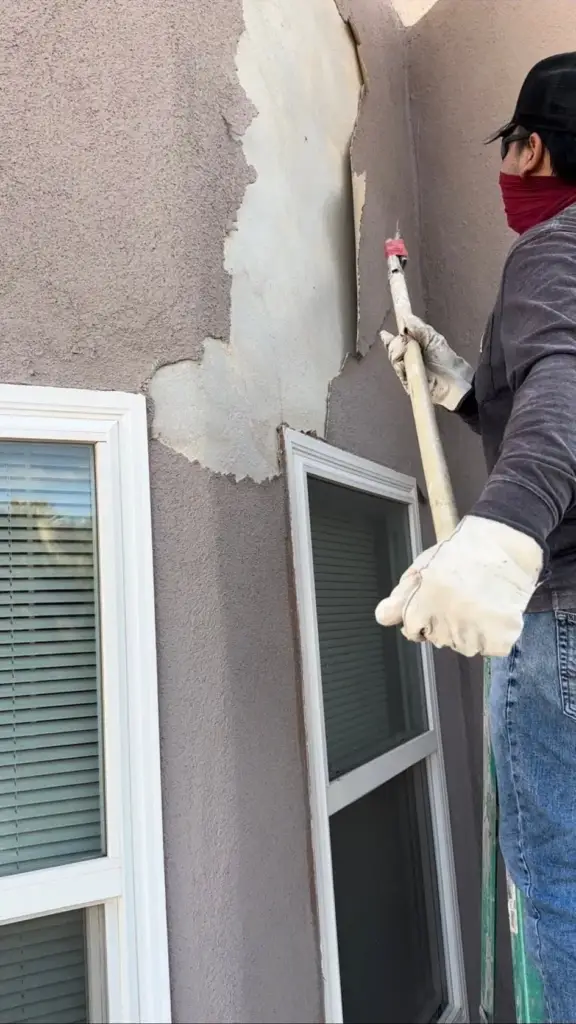
Plasterer knocking out loose stucco and filling a damaged area beside a window
Loose stucco comes out first, so the patch bonds to solid material.

Which stucco cracks are serious?

Hairline cracks thinner than a credit card are common and usually cosmetic. They still let in a little water, so sealing them is worth it. Cracks wider than about an eighth of an inch deserve a closer look. So do cracks that are growing, cracks with one side higher than the other, and stair-step cracks on a block wall. Those can point to settling or movement that a patch alone will not stop.

When we look at a crack, we check its width, its direction, whether the stucco around it sounds hollow when tapped, and whether there are stains or bubbling nearby. That tells us if it is a simple patch or a sign of something bigger, like water damage behind the wall.

How we repair stucco cracks and holes

A good crack repair has a few steps, and skipping any of them is why so many patches fail:

  1. We tap the wall around the crack and remove any stucco that has come loose.
  2. We open up the crack slightly so the new material has something to grab.
  3. We clean out dust and loose grit and dampen the edges.
  4. We fill it with a patch mix suited to the wall, and use an elastomeric filler on cracks that keep moving.
  5. We rebuild the texture to match the wall around it.
  6. We finish with a color coat or paint so the repair blends in.

Holes from old satellite dishes, light fixtures, AC lines and removed signs get the same treatment. If the wire lath under the hole is damaged, we patch that first.
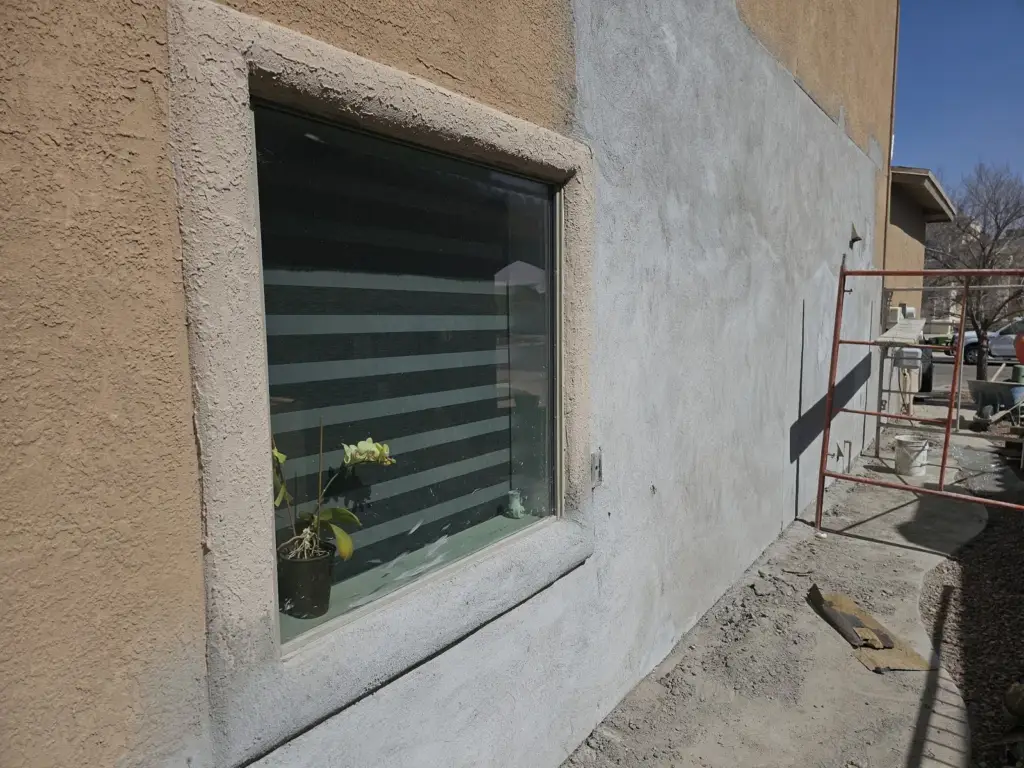
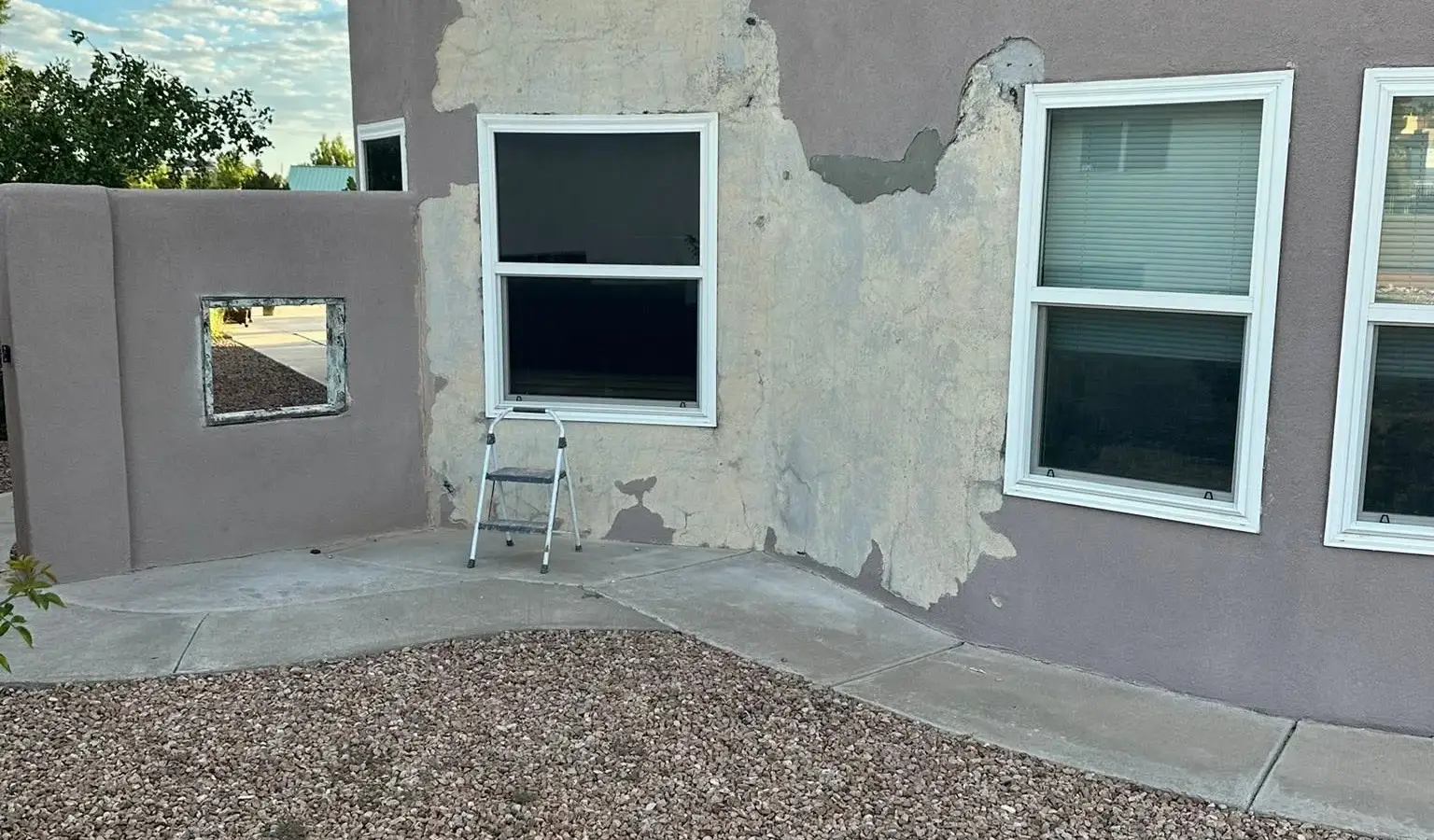
Stucco wall beside a window with a gray new base coat next to the old tan finish
New base coat next to the old finish. The color coat is what makes the patch disappear.

Why do patches show, and how do we hide them?

New stucco is always a slightly different color than old stucco that has been baking in the sun for years. That is why a raw patch looks like a gray bandage on the wall. There are two ways to fix that. For small repairs, we match the texture closely and paint or color coat the patched area out to a natural break, like a corner or a window edge. For walls with many patches, a full color coat over the whole wall gives one even finish.

Texture matters just as much as color. Albuquerque homes use many finishes, from smooth Santa Fe style to sand finish and heavier dash textures. We match the one on your house by hand.
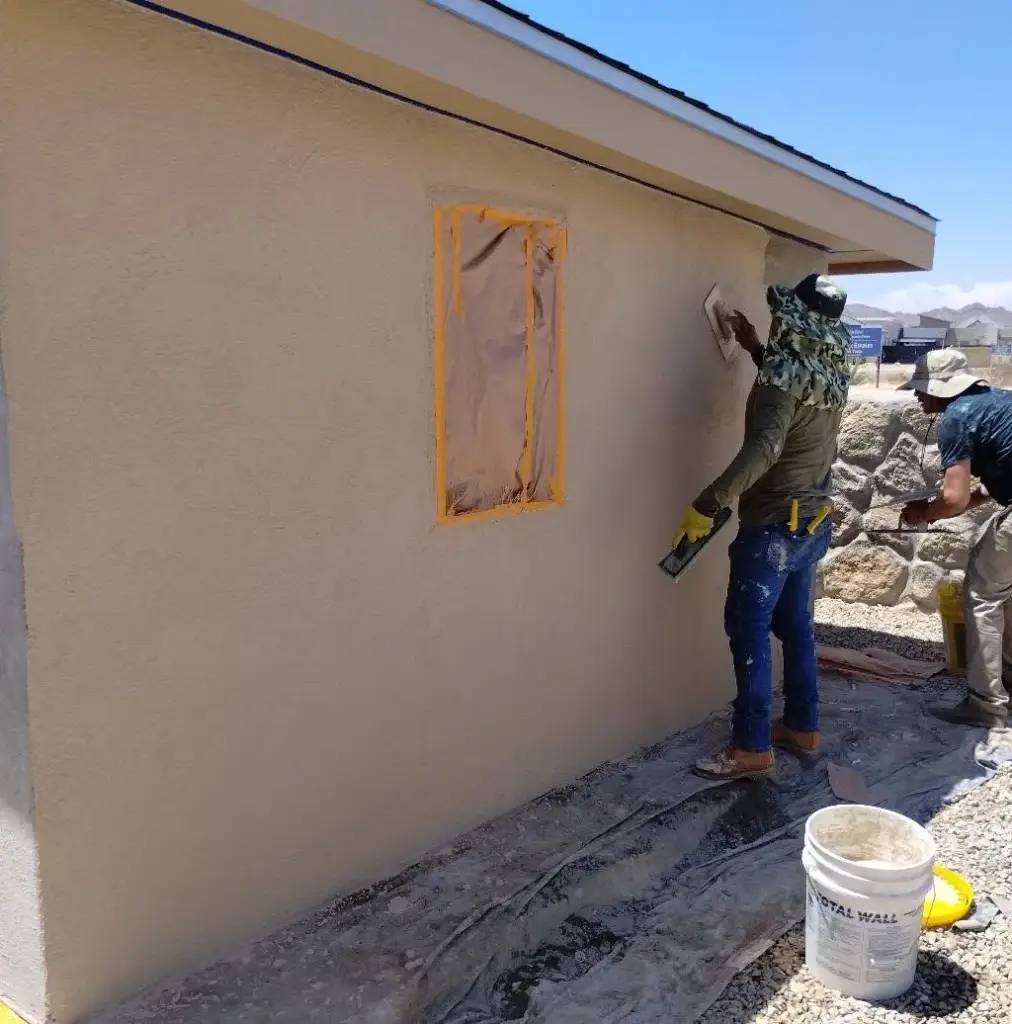
Worker texturing a masked stucco patch on a tan wall
A patch masked off and textured to match the wall around it.

Crack repair vs re-stucco

Most homes only need crack repair. But if cracks are everywhere, the stucco sounds hollow over large areas, or chunks are falling off, patching becomes a losing game. At that point, re-stucco and resurfacing gives the wall a new, uniform skin. If you also see stains, bubbling or soft spots, a stucco inspection comes first so we know whether water has reached the framing.

We will tell you honestly which one your home needs. The written estimate spells out each repair and its price. For typical price ranges, see our stucco repair cost guide.

Stucco repair on block walls and pillars

Cracks are not only a house problem. Garden walls, courtyard walls and block pillars around Albuquerque yards crack too, often in a stair-step pattern that follows the mortar joints of the block underneath. Those walls get less protection than the house, with no roof overhang and sprinklers hitting them daily. We repair them the same way: remove loose stucco, fix the cause if the wall has shifted, patch, match the texture and color coat. A cap on top that sheds water keeps them lasting much longer.

Keeping cracks from coming back

No stucco is crack-proof, but a few habits help. Keep sprinklers from spraying the walls, since constant wetting and drying weakens stucco near the ground. Make sure gutters and canales dump water away from the house. Recaulk around windows and doors every few years. And fix small cracks when you see them, before the monsoon season sends water into them.

Take a photo of any crack you notice and put a pencil mark at each end. If the crack grows past the marks over a few months, the wall is still moving, and it is time to call.

Local tip

We repair stucco cracks across Albuquerque, from the Northeast Heights to the Westside, and in Rio Rancho, Corrales, Los Lunas and Belen.

How it works

Simple from first call to finished job

  1. 1

    Call, text, or send the form

    Tell us what is going on with your stucco, or text a photo. We reply within 1 business day.

  2. 2

    Get a clear written estimate

    We check the cracks, the finish, and signs of water behind the wall, then give you a written, itemized price.

  3. 3

    We do the work and clean up

    We book a date, make the repair, match the color and texture, clean up, and walk the finished wall with you.

Before and after

Drag the slider to see the difference

Slide each photo to reveal the finished result.

Two-story stucco house with an even white finish after patch repair
Two-story stucco house with many gray patches before the finish coat
Before After
A patched two-story wall finished with one even color coat so the repairs disappear.
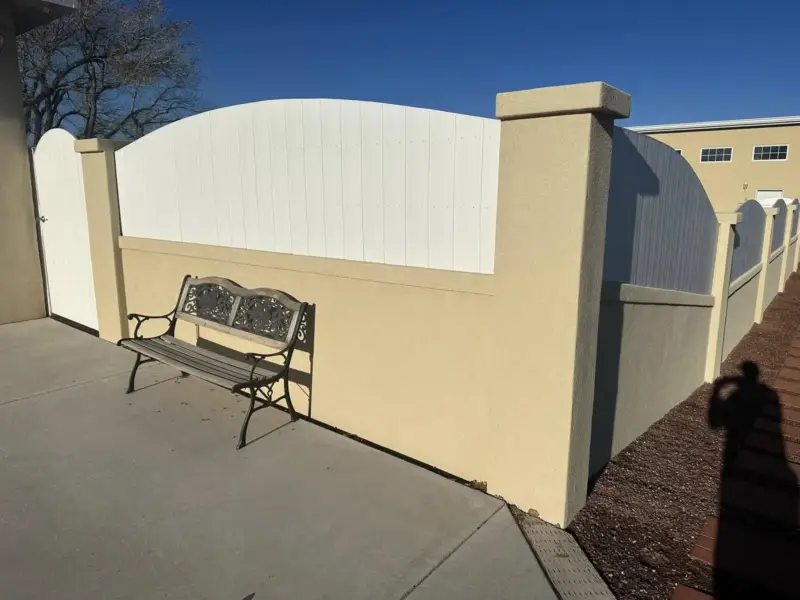
Finished tan stucco pillars and wall with a white fence and bench
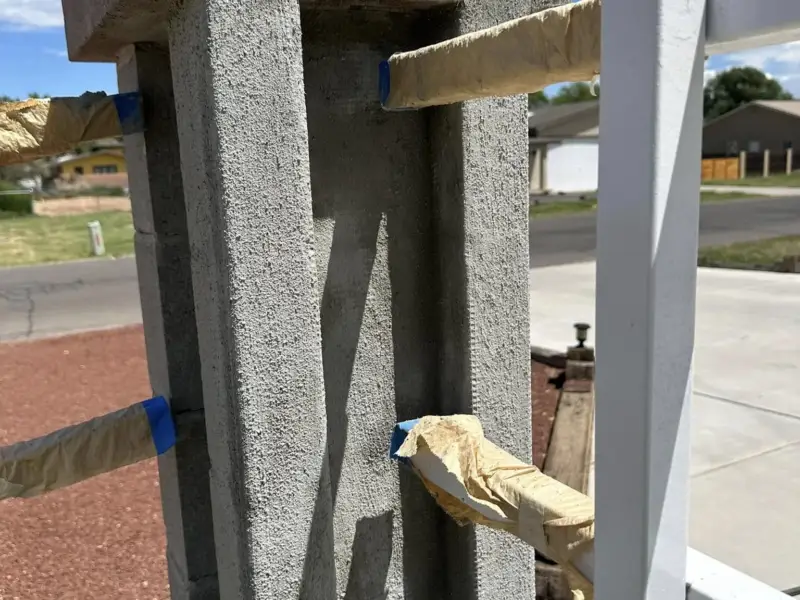
Concrete block pillar in stucco brown coat before the finish
Before After
Block pillars taken from brown coat to a finished, color-matched stucco.
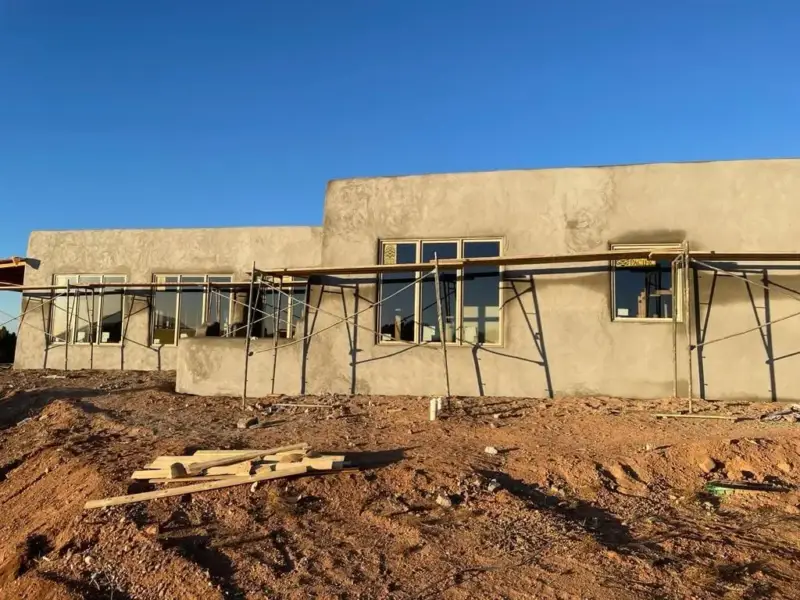
Flat-roof house covered in stucco brown coat
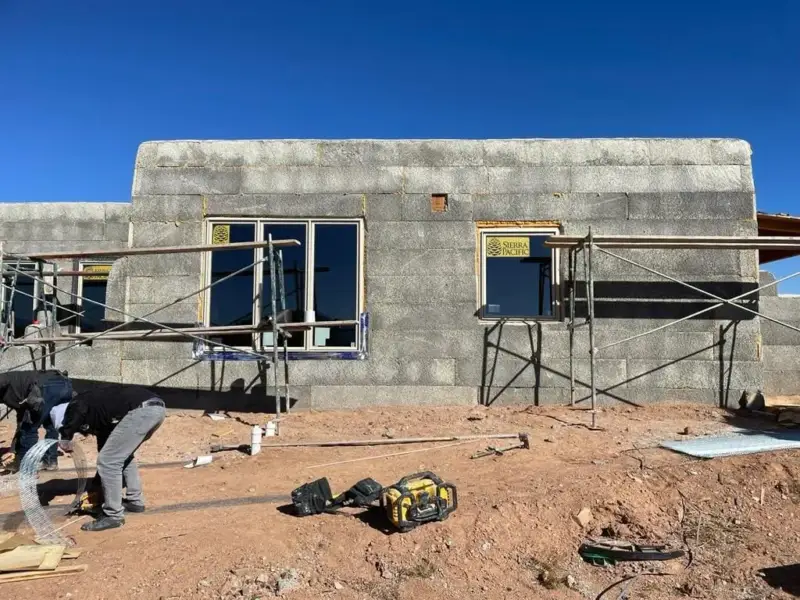
Bare concrete block house with scaffolding before stucco
Before After
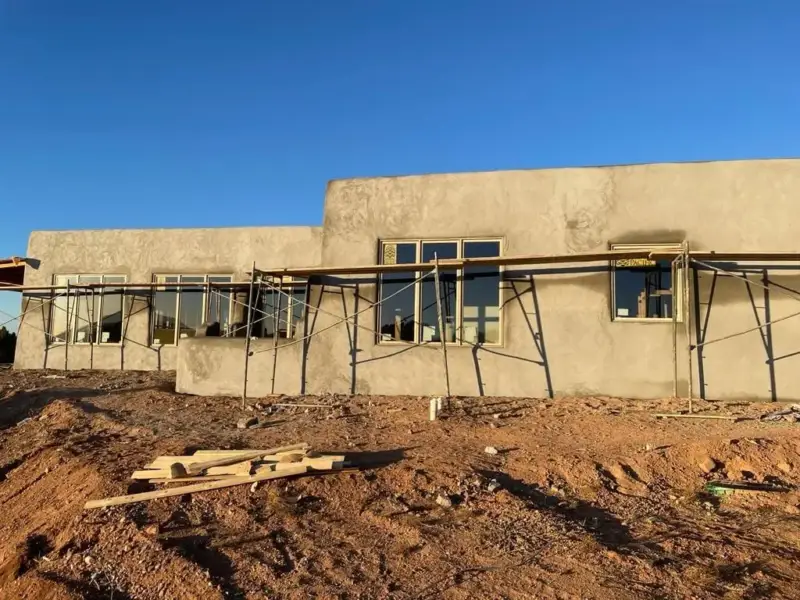
A bare block house lathed and covered in a full stucco system.

See more before & after projects

Related services

More ways we can help

All services

Free estimate

Get a written quote from ABQ Stucco Repair

Tell us what is going on and we will get you a written, itemized quote, usually within 1 business day. No pressure, no spam.

  • No obligation
  • Free Written Estimates
  • Color and Texture Matching
  • Replies Within 1 Business Day

Or call us directly: (505) 386-3634

No obligation

Request a callback

Tell us about your project. We reply within 1 business day.

Free Written Estimates · Color and Texture Matching · Replies Within 1 Business Day · No spam

Or call us directly: (505) 386-3634

Questions from Albuquerque homeowners

Stucco Crack Repair FAQs

Straight answers to what Albuquerque homeowners ask us most. Don't see yours? Call or text and a real person will answer.

Still have a question?

(505) 386-3634 Or text us a photo
Are hairline stucco cracks normal?
Yes. Hairline cracks are very common on stucco homes, especially near windows and doors. They are usually cosmetic, but they still let in some water, so sealing and color coating them keeps small problems from growing.
When is a stucco crack a structural problem?
Watch for cracks wider than about an eighth of an inch, cracks that keep growing, stair-step cracks in block walls, or one side of a crack sitting higher than the other. Those can mean movement, and we check the cause before patching.
Can you fix a hole left by a removed fixture or AC line?
Yes. We cut back to solid stucco, repair the lath if needed, fill the hole in layers and rebuild the texture. A color coat then blends it into the wall.
Will the stucco patch be visible?
A raw patch always shows because new stucco is a different shade than sun-faded stucco. We match the texture and then color coat or paint to a natural break so the repair blends in.
Can I just caulk stucco cracks myself?
Caulk can seal a hairline crack for a while, but it usually shows and does not match the texture. For anything wider, or cracks that keep moving, a proper patch lasts much longer.
How long does a stucco patch take to cure?
Most cement patches need a few days before a color coat or paint goes on, and longer in cold weather. We plan the steps so the finish goes on at the right time.
Why do cracks form at window corners?
Corners are where stress collects when a house moves. Openings interrupt the wall, so the stucco cracks at the weakest point, usually diagonally from the corner.
Do small cracks really let water in?
Yes. Rain, snowmelt and sprinkler spray can wick into small cracks. Over time that water can reach the lath and framing, which is why sealing cracks early is worth it.

Didn't see your question?

Call or text us. A real person answers, and estimates in Albuquerque are free.

(505) 386-3634